Get Commercial Roof Replacement
Commercial roof replacement services help property owners address leaks, damage, or aging roofs by connecting them with local contractors who handle complete roof removal and installation projects.
If you're considering a commercial roof replacement, you're in the right place to explore your options. Property owners often evaluate this type of project to improve building safety, enhance energy efficiency, or prepare for future growth. Understanding the practical benefits and planning considerations involved can help ensure the process aligns with your long-term property goals. Keep reading to discover how local contractors can support your project and provide the expertise needed for a successful roof replacement.
Comparing local service providers can be a valuable step in planning your commercial roof replacement. Many property owners find it helpful to review available options, assess the experience of different contractors, and understand the scope of services offered. This approach allows for informed decision-making and helps identify the best fit for your specific project needs. Continue exploring to learn how connecting with experienced local contractors can make your roof replacement process smoother.
- Flat Roof Replacement - needed when a flat commercial roof shows signs of extensive damage or leaks.
- Metal Roof Replacement - appropriate when a business requires a durable, long-lasting roofing solution.
- Built-Up Roof Replacement - necessary if a built-up roof has aged or developed multiple leaks.
- Single-Ply Roof Replacement - suitable when existing membrane roofs have reached the end of their service life.
- Commercial Roof Overhaul - required for large-scale renovations or significant system upgrades to improve performance.
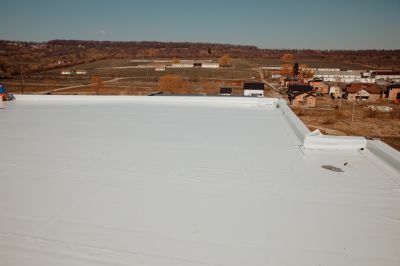
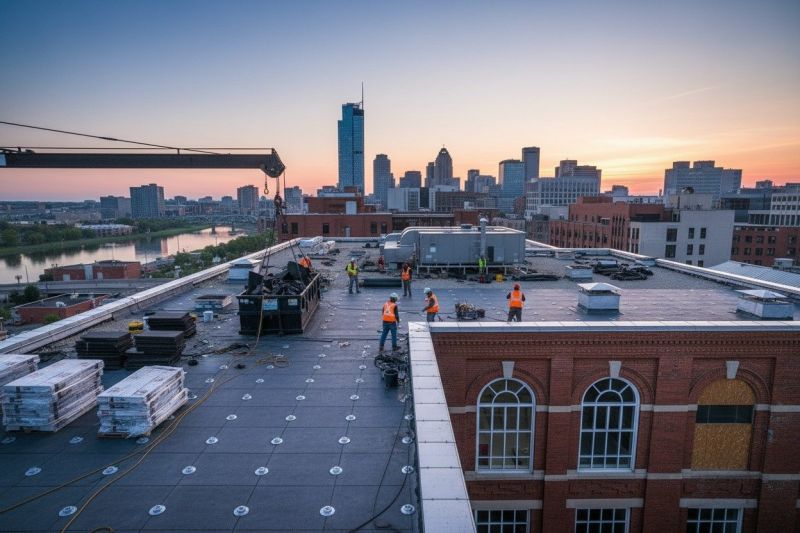
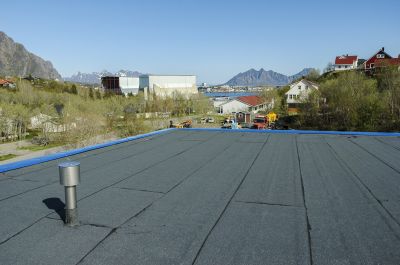
Commercial roof replacement services involve removing an existing roof and installing a new roofing system on a commercial property. This process typically includes thorough inspection, removal of the old roofing material, surface preparation, and the installation of a durable, long-lasting roof designed to meet the specific needs of the building. Service providers focus on ensuring the new roof provides reliable protection against weather elements while improving energy efficiency and overall building performance. Professionals handle all aspects of the replacement to ensure the project meets industry standards and local building codes.
This service is essential for addressing a variety of roofing problems that can compromise the safety and functionality of a commercial property. Common issues prompting replacement include extensive damage from storms, persistent leaks, widespread roof deterioration, or the presence of aging materials that no longer provide adequate protection. A failing roof can lead to costly structural damage, mold growth, and disruptions to business operations. Commercial roof replacement helps resolve these issues by providing a fresh, resilient roofing system that prevents further damage and extends the lifespan of the building.
Typically, commercial roof replacement services are used on properties such as office buildings, retail centers, warehouses, manufacturing facilities, and other large-scale commercial structures. These properties often have flat or low-slope roofs that require specialized materials and installation techniques. Business owners and property managers turn to local contractors for professional guidance on selecting the right roofing system based on the building’s size, usage, and local climate conditions. This service ensures that commercial properties maintain their integrity, safety, and operational efficiency over the long term.
Homeowners or property managers considering a roof replacement should be aware of signs indicating the need for this work. These include visible damage like curling or missing shingles, persistent leaks, water stains on ceilings, or widespread wear and tear on the roof surface. If the existing roofing system has reached the end of its expected lifespan or has suffered significant damage, a full replacement may be necessary. Connecting with experienced local contractors can help determine whether a replacement is the best option and ensure the work is performed with quality materials and proper installation practices.
The overview below groups typical Commercial Roof Replacement projects into broad ranges so you can see how smaller, mid-sized, and larger jobs often compare in your area.
In many markets, a large share of routine jobs stays in the lower and middle ranges, while only a smaller percentage of projects moves into the highest bands when the work is more complex or site conditions are harder than average.
Smaller Repairs - minor roof repairs typically cost between $250 and $600, covering issues like small leaks or damaged flashing. Many routine fixes fall within this range, making them the most common type of project for local contractors.
Mid-Size Replacements - replacing a significant section of a commercial roof usually ranges from $5,000 to $15,000, depending on the size and materials involved. These projects are common for businesses seeking a durable, long-term solution.
Full Roof Replacements - complete roof replacements for larger buildings can cost $20,000 to $50,000 or more, especially for complex designs or high-end materials. Fewer projects reach into this higher tier, but they are essential for extensive overhauls.
Larger, Complex Projects - multi-building or highly customized roof replacements can exceed $100,000, though such cases are less frequent. Local service providers can help assess the scope and provide accurate estimates based on specific needs.
Actual totals will depend on details like access to the work area, the scope of the project, and the materials selected, so use these as general starting points rather than exact figures.
Industrial Roofing Projects - these projects involve large-scale roofing work that requires similar planning, materials, and safety considerations as commercial roof replacements.
Roof Repair Services - repairing damaged or aging roofs shares techniques and tools with replacement projects, focusing on restoring roof integrity.
Flat Roof Installations - installing flat roofing systems involves comparable skills in membrane application and surface preparation as commercial roof replacements.
Building Envelope Upgrades - upgrading insulation and weatherproofing components involves planning and materials similar to those used in commercial roof replacement.
Storm Damage Restoration - restoring roofs after storm damage requires assessment, planning, and repair skills common to replacement projects.
Commercial Skylight Installation - installing skylights in commercial buildings involves planning and roofing skills that complement those used in roof replacement services.
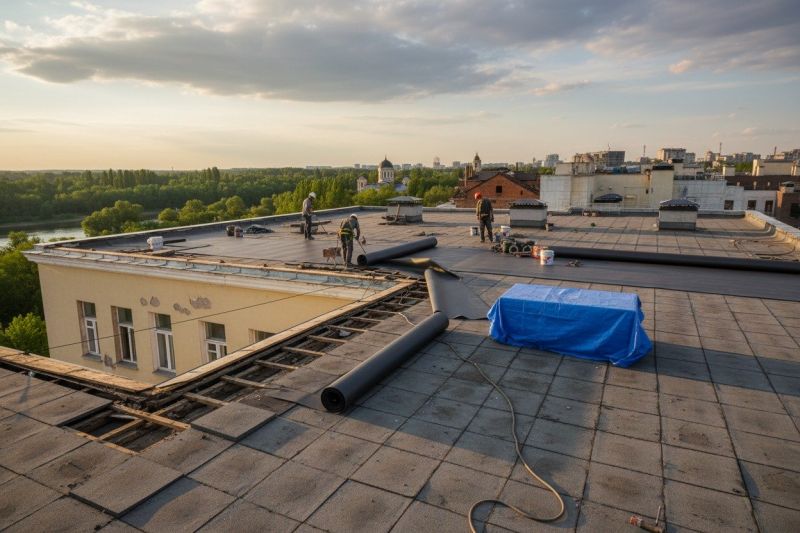
When comparing local contractors for commercial roof replacement, it’s important to assess their experience with similar projects. A service provider that has a proven track record handling roofs of comparable size, material, and complexity can offer valuable insights into their expertise. Asking for examples of past work or references related to projects similar to your building can help gauge their familiarity with the specific challenges involved. Experience in similar projects often indicates a contractor’s ability to deliver quality results and navigate potential issues efficiently.
Clear, written expectations are essential when evaluating potential service providers. A reputable contractor should be able to provide detailed proposals that outline the scope of work, materials to be used, and any warranties or guarantees offered. Having these expectations in writing ensures there is a mutual understanding of what the project entails, reducing the likelihood of misunderstandings or surprises later on. It’s beneficial to review these documents carefully and ask questions to clarify any points before making a decision.
Good communication and reputable references are key indicators of a reliable service provider. Contractors who are transparent, responsive, and willing to address questions demonstrate professionalism and a commitment to customer satisfaction. Reputable references from previous clients can offer insights into the contractor’s reliability, quality of work, and ability to stick to agreed-upon expectations. When considering different options, it’s helpful to speak with past clients or read reviews to understand how well the contractor communicates throughout the project and whether they have a history of positive working relationships.
Property owners use Commercial Roof Replacement services for practical projects around their homes and businesses. This guide focuses on everyday jobs and straightforward project options.
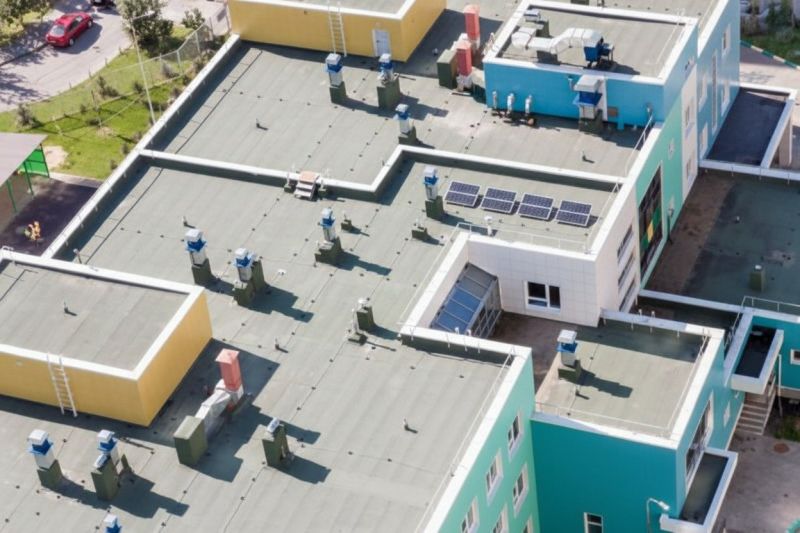
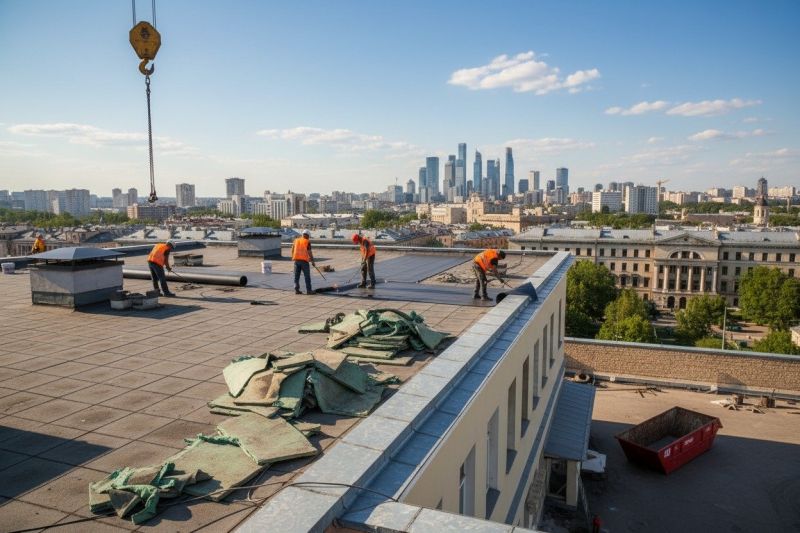
Commercial property owners may find themselves seeking roof replacement services when their existing roofing materials show signs of aging, such as leaks, extensive wear, or visible damage. In some cases, weather-related incidents or structural issues can also prompt the need for a new roof to ensure the safety and integrity of the building. Local contractors experienced in commercial roof replacement can assess these conditions and recommend appropriate solutions to help property owners maintain their buildings effectively.
Additionally, property owners might look for roof replacement services when planning renovations or upgrades that require a more durable or energy-efficient roofing system. Business owners and facility managers often turn to local service providers to handle these projects, ensuring that their commercial spaces remain protected and compliant with relevant standards. Connecting with local pros can provide options tailored to specific building needs and help ensure the work is completed with quality and professionalism.
What are signs that a commercial roof needs replacement? Visible damage such as extensive leaks, missing or damaged roofing materials, and persistent ponding water can indicate the need for a roof replacement. An inspection by experienced contractors can help identify underlying issues.
What types of commercial roofing materials are available for replacement? Common options include built-up roofing (BUR), modified bitumen, single-ply membranes like TPO or EPDM, and metal roofing. Local service providers can recommend suitable materials based on the building's needs.
How do contractors determine if a roof requires a full replacement instead of repairs? Contractors assess the extent of damage, age of the roof, and the cost-effectiveness of repairs versus replacement to determine the best course of action for the building.
What preparations are needed before a commercial roof replacement begins? Building owners should clear the surrounding area, inform tenants or staff about potential disruptions, and ensure access for contractors and equipment.
Why should a business consider professional commercial roof replacement services? Professional contractors have the expertise to ensure proper installation, compliance with building codes, and long-lasting results, helping to protect the property and its occupants.
Commercial Roof Replacement Planning - Property owners can explore options for replacing aging or damaged roofing systems to improve building safety and functionality.
Material Selection Guidance - Business owners might consider different roofing materials to enhance energy efficiency and durability for their commercial properties.
Project Management Ideas - Facility managers can coordinate with local contractors to schedule replacements that minimize disruption to daily operations.
Maintenance and Inspection Strategies - Building owners may use roof replacement projects as an opportunity to plan ongoing inspections and maintenance routines.
If you are thinking about Commercial Roof Replacement for a property, this guide is meant to help you understand the work, the typical project types, and how different options might fit your plans.
When you are ready, you can use the quote form on this page to share a few details about your project. From there, local pros can review the basics and respond with options that match what you have in mind.